

Ceph with support
Assisted software-defined storage
Why choose Ceph with ITServicenet support
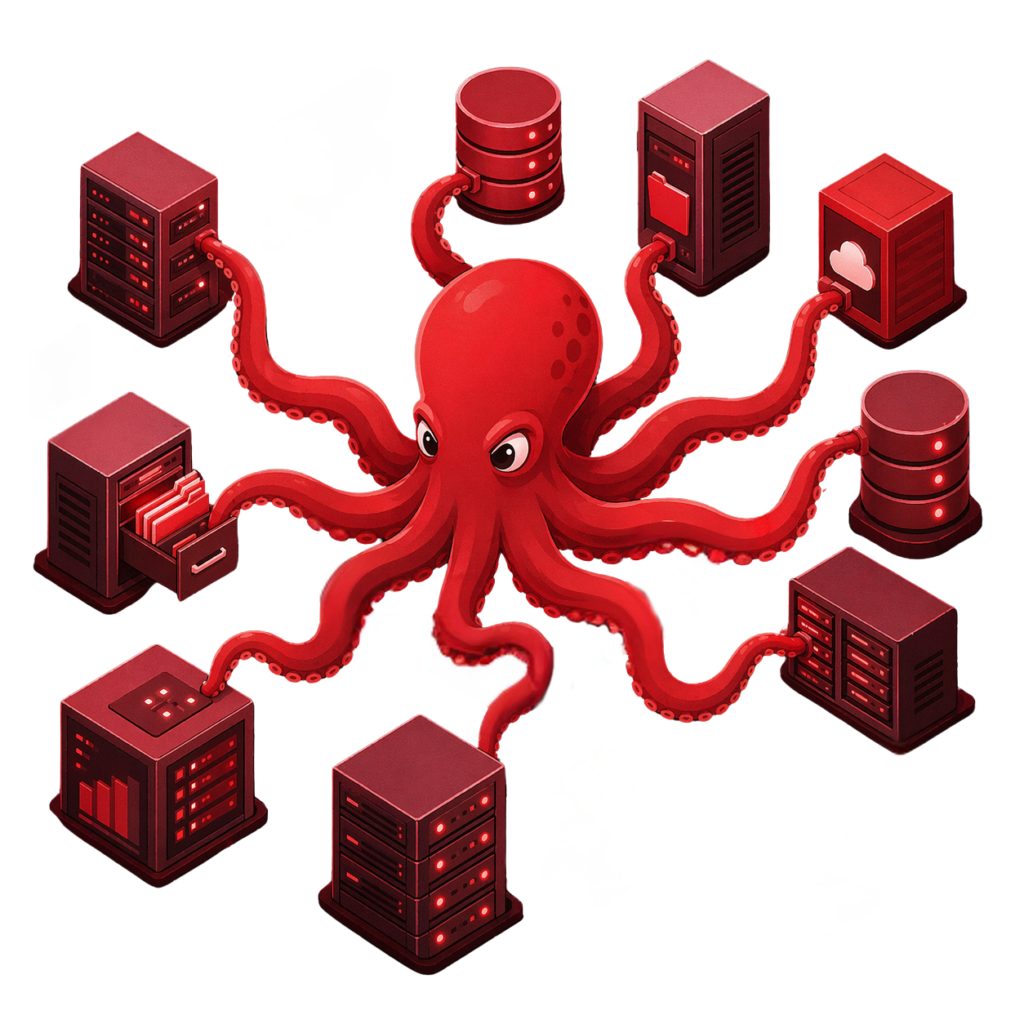
Maximum Scalability
No weak points
Data immutability
Commodity hardware
The Challenges
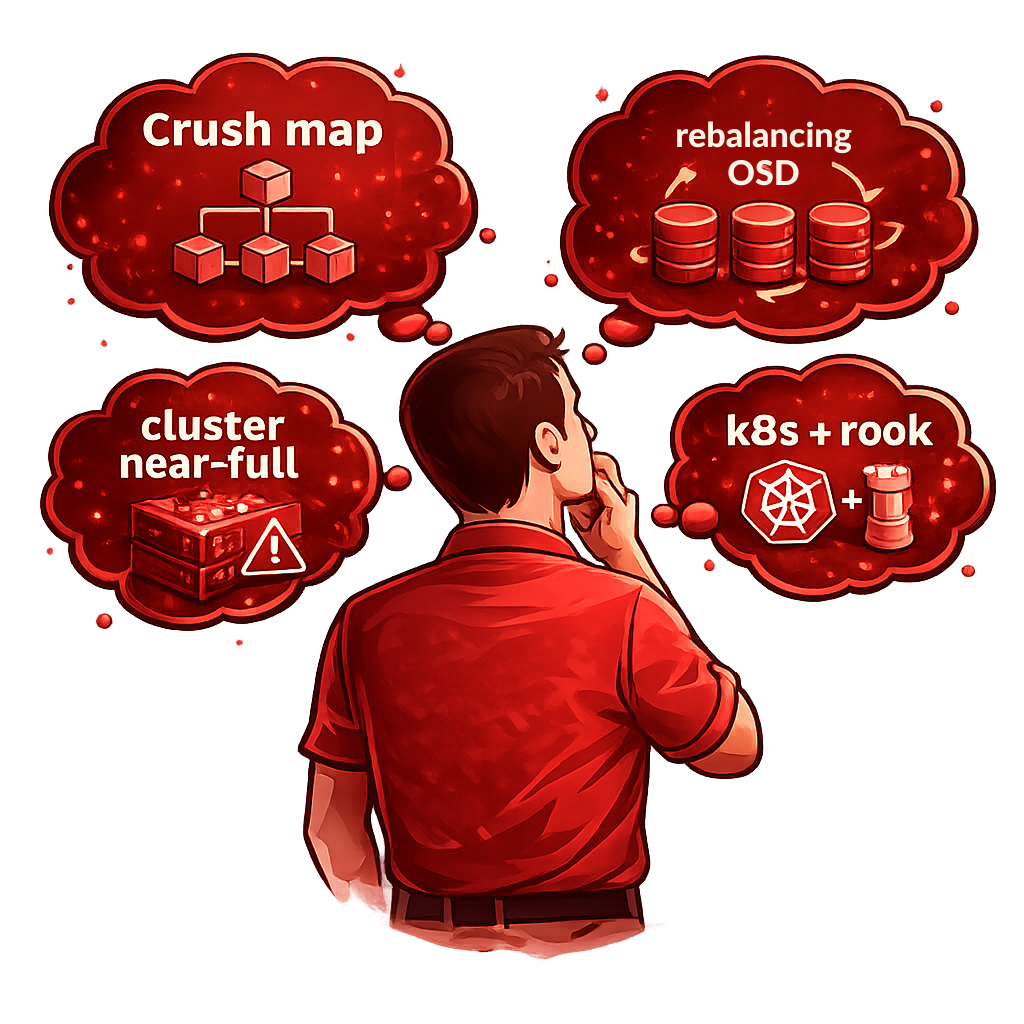
- Sizing failure domains and configuring CRUSH maps require advanced skills to avoid data loss
- Proactive monitoring of IOPS, latency, and PG usage is essential to prevent cluster degraded or near-full situations
- OSD rebalancing and recovery phases can degrade the performance of the entire cluster if not managed correctly
- Integration with Kubernetes via Rook, with Veeam via S3, and with hypervisors via RBD requires precise technical coordination
Comprehensive support for Ceph
Setup
Optimization
On-the-job training
Integrations
Ceph + Kubernetes
Subscription
How ITServicenet supports Ceph
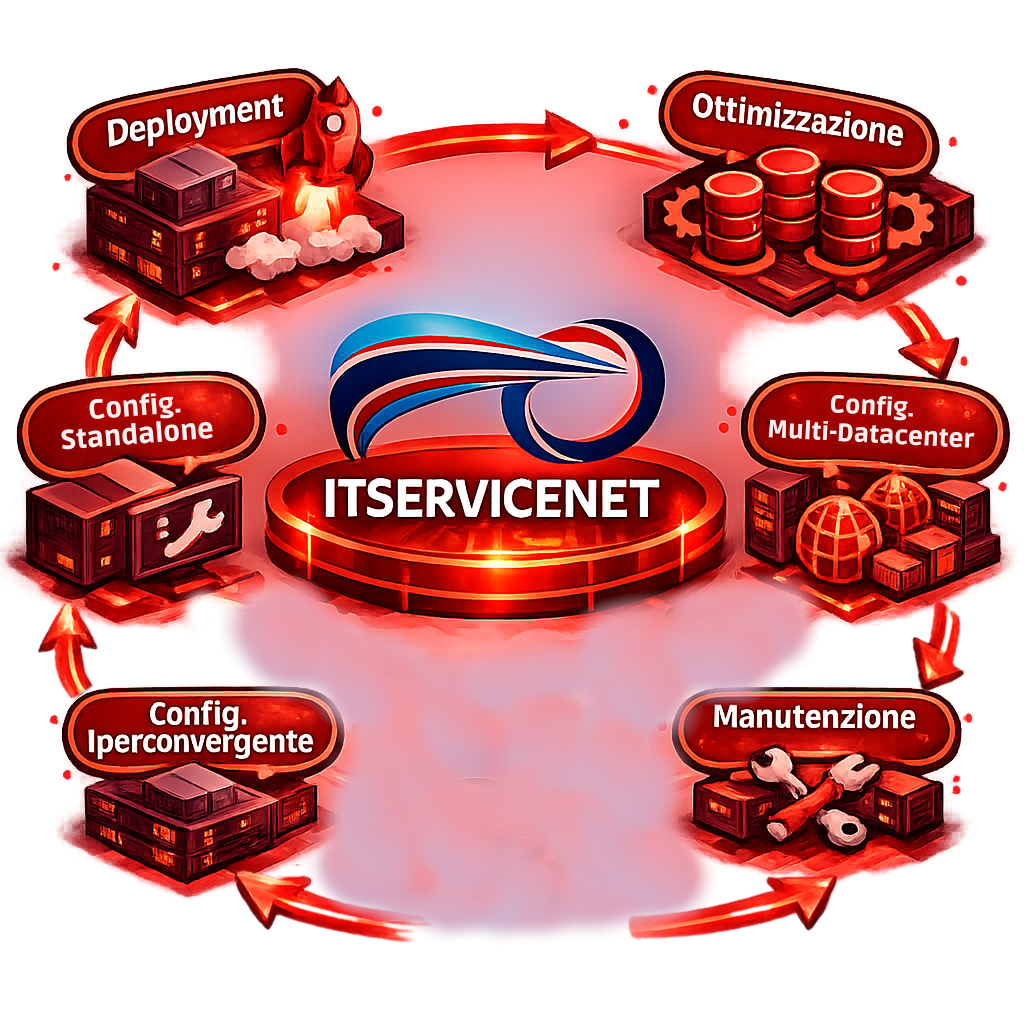
From initial cluster design to ongoing management, we offer you complete support:
– design
– deployment
– optimization
– Ceph cluster maintenance
– standalone configuration
– hyper-converged configuration
Skills
Years of Experience
RIOS Network
Proactive support

Partnership




FAQ
Why should I choose Ceph for my storage?
Ceph is the ideal solution for those who need scalable, resilient distributed storage without vendor lock-in. If your goal is to eliminate single points of failure, reduce licensing costs, and manage data flexibly (S3, block, filesystem), Ceph may be the right choice.
Can Ceph be implemented in small companies, or is it only suitable for large organizations?
Ceph scales from entry-level 3-node clusters to multi-petabyte installations. The key is proper sizing according to real business needs.
Do you offer support in the management and maintenance of Ceph clusters?
We offer complete management services: from initial installation and configuration to continuous optimization, with active monitoring, scheduled maintenance plans, and dedicated technical support to ensure optimal performance over time. The model adopted is not license-based but subscription-based and is calculated on the number of nodes. You pay for support, and if you decide to stop paying, the software continues to function.
Is Ceph secure for critical business backups?
Ceph natively supports S3 Object-Lock (WORM), the data immutability technology required by Veeam and other enterprise backup software. This ensures that backups cannot be deleted or modified, even in the event of a ransomware attack.
Is it possible to integrate Ceph with Kubernetes?
Yes! Through Rook, Ceph can be orchestrated directly by Kubernetes, providing dynamic on-demand storage in both RBD (block device) and CephFS (filesystem) modes. We support integration with RKE2, K3s, and other Kubernetes clusters, both on-prem and hybrid.
What type of OS environments do you support?
We support Ceph configurations on RedHat / Rocky Linux, Debian, and Ubuntu. We also manage environments integrated with Proxmox VE for hyper-converged clusters and bare-metal installations on commodity hardware.
How long does it take to implement Ceph?
The time depends on the complexity of the infrastructure: an entry-level cluster can be operational in a few days, while a multi-datacenter installation with geographic replication requires more detailed planning. We can provide an estimate after an initial free consultation.
How do you pronounce Ceph?
Ceph is pronounced as if it were written Sef.
To learn more, write to us here
- Want to understand which solutions are right for you?
- Do you have a specific need?
- Any other questions?